
The Conspiracy of the Twelve
Murder on the Orient ExpressThe novel's central plot—the twelve passengers acting as a jury and executioners—is a thematic exploration of collective justice and the nature of murder.
increasing Bearing strength in each event
 decreasing
Bearing strength in each eventdecreasingThe Formation of the Jury
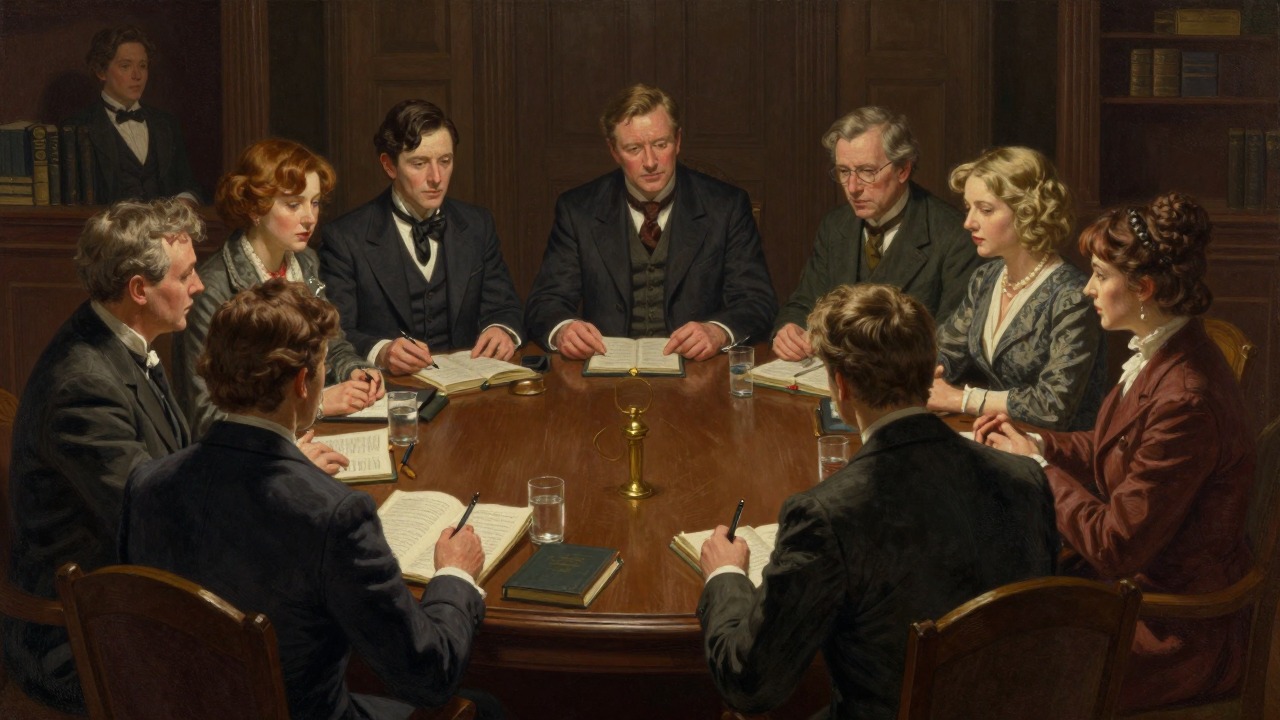
The Formation of the Jury
The Gathering of the Twelve
Linda Arden gathered eleven people who were connected to the Armstrong family. They included family members, servants, and friends. Each had a personal reason to want Cassetti dead. They decided to form a jury of twelve.
The Planning
They met and planned the murder in detail. They chose the Orient Express because Pierre Michel worked there. They arranged for each to be on the same train. The plan was to make it look like an outside job.
The Moral Commitment
Each person swore to participate. They drew lots to determine the order of stabbing. They were all aware of the risks. Their commitment was absolute, driven by a sense of justice.
The Execution of the Sentence
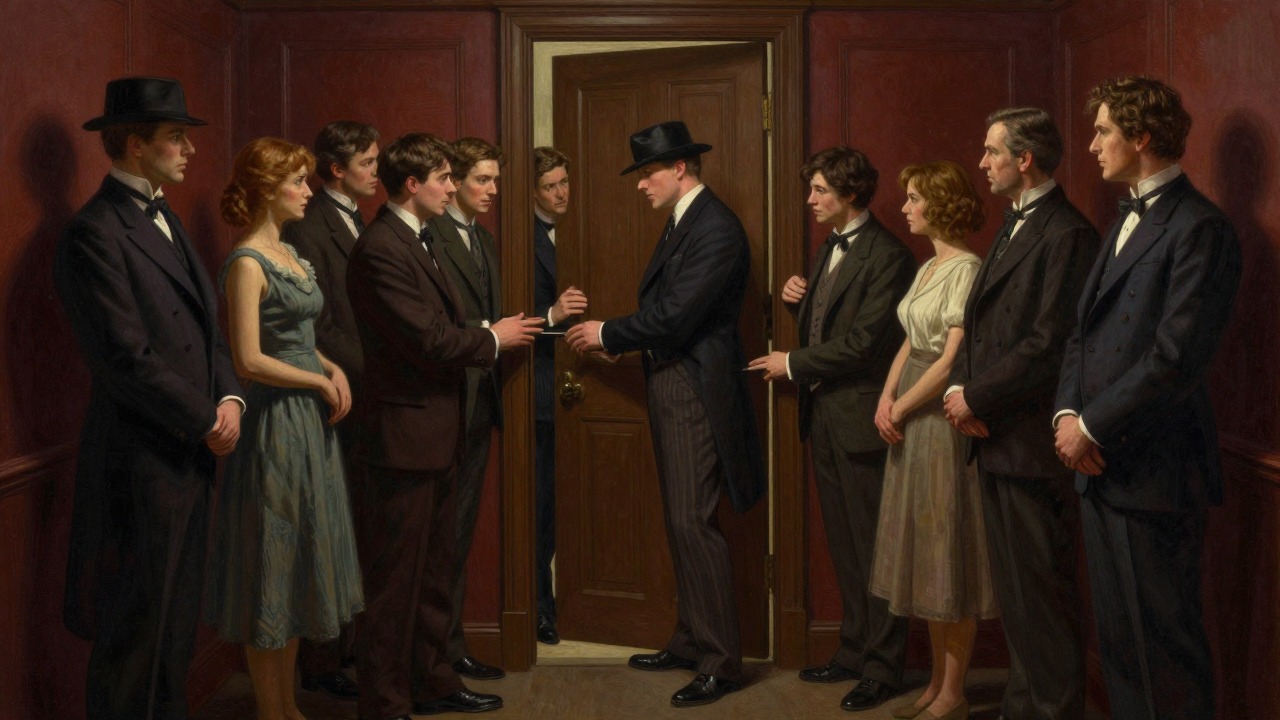
The Execution of the Sentence
The Procession
One by one, the twelve entered Ratchett's compartment. Each stabbed him once. The act was symbolic: twelve people, each representing a different aspect of the Armstrong family's suffering.
The Locked Room Illusion
They used the communicating door and the pass-key to create the illusion of a locked room. The snowdrift ruined their original plan, but they adapted. The execution was carried out in silence.
The Aftermath
After the last stab, they cleaned up and returned to their compartments. They pretended to sleep, waiting for the discovery. The tension was immense, but they held together.
The Jury's Verdict Accepted
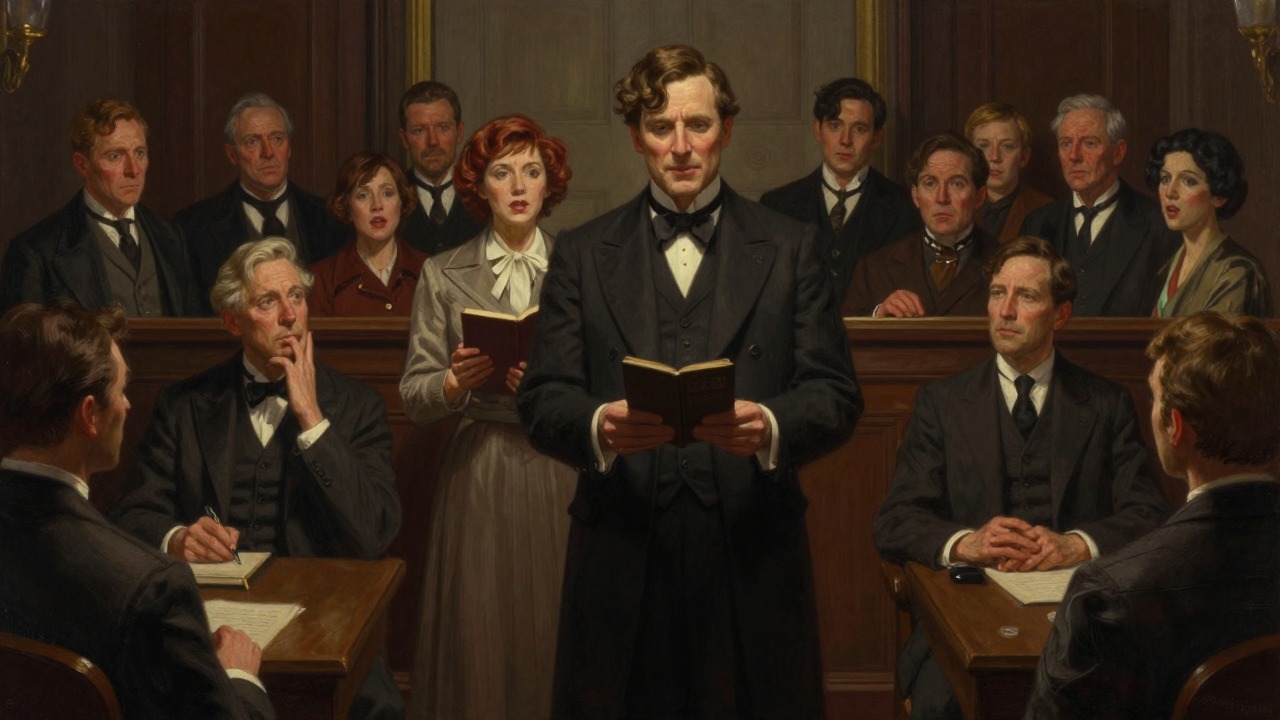
The Jury's Verdict Accepted
The Revelation
Poirot reveals the conspiracy to the passengers. They are shocked but relieved. Linda Arden gives a speech explaining their motives. They accept the consequences.
The Choice of Closure
Poirot offers them a way out. He presents the first solution, which exonerates them. They accept it, grateful for the chance to start anew. The jury's verdict is not overturned.
The Legacy of the Jury
The twelve will carry the secret with them. Their act of collective justice raises questions about the nature of law and morality. The novel concludes with a sense of ambiguous justice.
Over the year after the Armstrong tragedy
The night of the murder
When Poirot presents his solutions
